Definition of of Parkinson's Disease
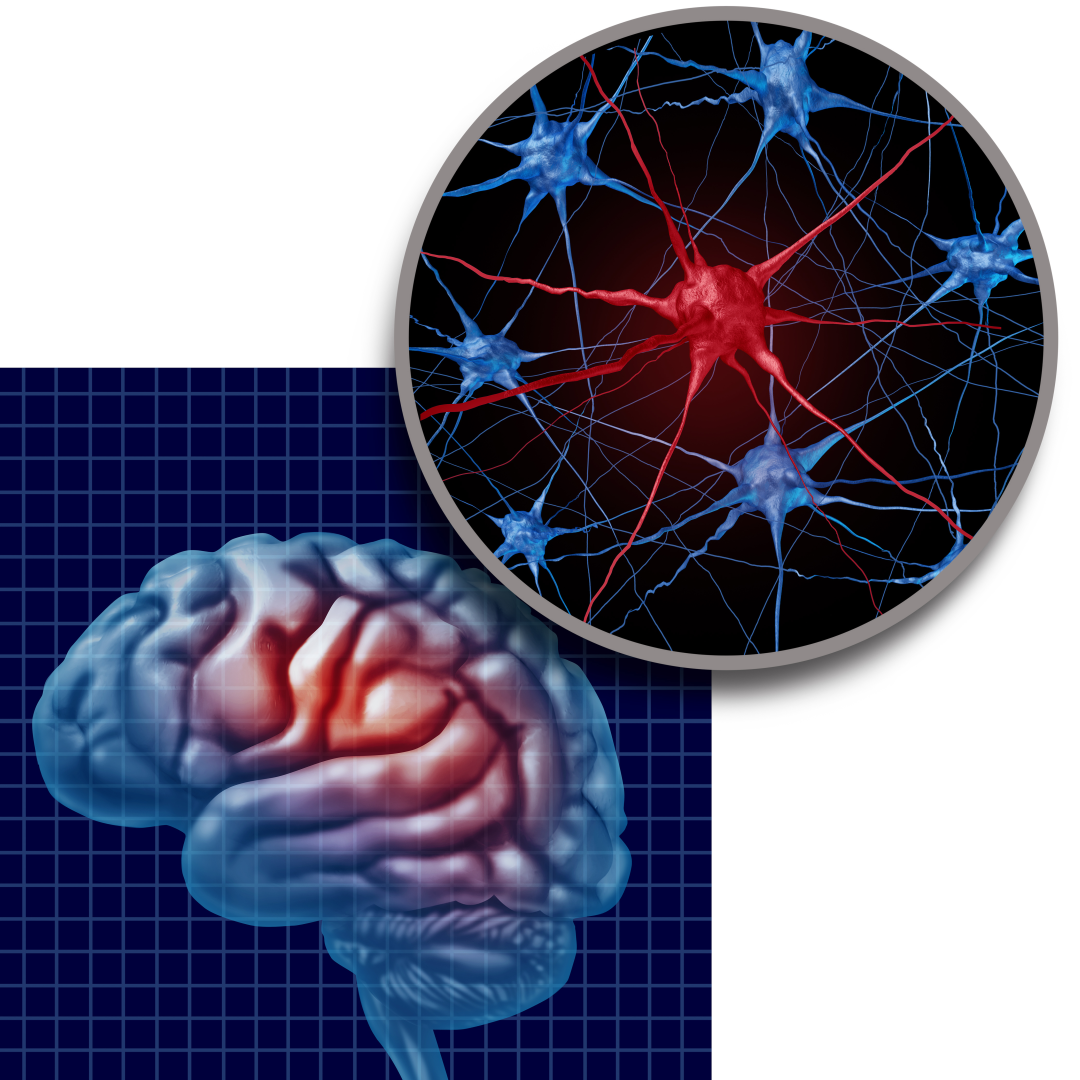
Parkinson’s disease is a neurological disorder that affects the nervous system. This chronic condition causes the dopamine-producing cells in the brain to degenerate and die. Dopamine is an important chemical messenger that transmits signals between the neurons in the brain, and its loss leads to motor and non-motor symptoms in patients.
Parkinson’s disease typically affects those aged 60 or over, but younger individuals can also be affected. In the UK, around 153,000 people are already living with Parkinson’s. Broken down within the UK, estimated figures for 2023 are: England: 128,000. Scotland: 12,900.
Communs Symptoms
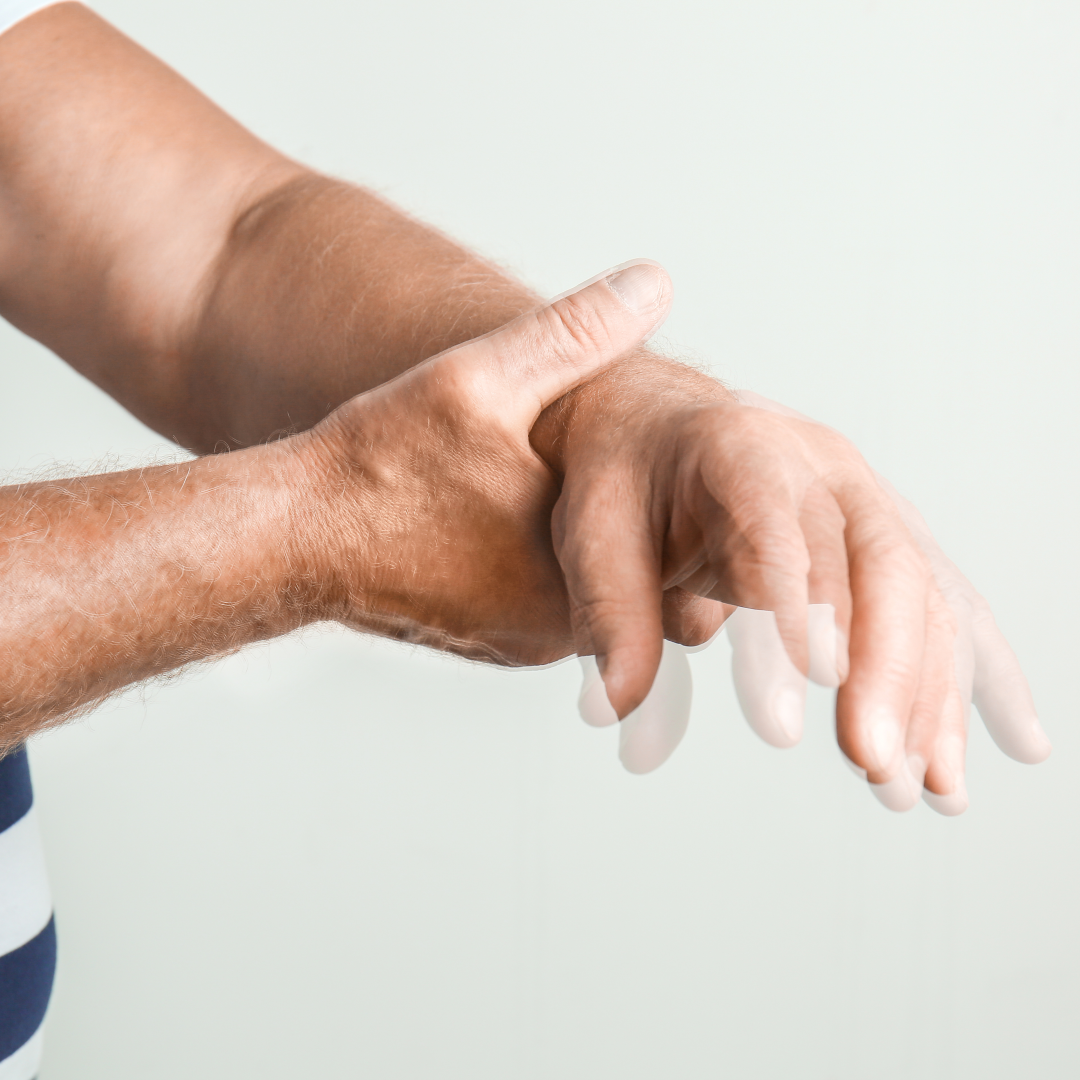
- Tremors: This is one of the most prevalent symptoms of Parkinson’s disease, especially in the early stages of the disease. Tremors in the hands, fingers, or arms are commonly experienced. However, some individuals may experience tremors in other body parts like the legs, feet, face, and chin.
- Muscle Rigidity: Another symptom of Parkinson’s disease is muscle rigidity. Patients might feel that their arms or legs are stiff or sore and have trouble bending, extending, or flexing them. The muscles in the face, neck, and jaw may also stiffen, causing difficulty speaking and swallowing.
- Bradykinesia: This symptom of Parkinson’s disease refers to the slowness of movements and can affect walking, speech, writing, and performing day-to-day tasks. It takes much longer to complete tasks, which can lead to frustration, depression, and other psychological problems.
- Postural Instability: Patients suffering from Parkinson’s disease may experience instability in their balance and coordination, leading to falls. It can affect how the body balances and stands upright, causing difficulty in standing up from a seated position and the need to shuffle while walking.
- Non-Motor Symptoms: Parkinson’s disease is also associated with several non-motor symptoms, such as depression, anxiety, sleep disorders, fatigue, and loss of smell. These symptoms can often manifest even before the motor symptoms start to appear.
Causes
In Chinese medicine, Parkinson’s disease is often believed to be caused by an imbalance of Qi, or life force energy, within the body. When Qi becomes blocked or depleted, it can affect the function of the organs and systems that regulate movement and coordination, leading to the tremors, stiffness, and other symptoms associated with Parkinson’s.
One of the main factors that can disrupt Qi flow and lead to Parkinson’s disease is a build-up of toxins in the body. This can happen as a result of poor diet, exposure to environmental pollutants, or even emotional stress and tension.
To address this underlying cause of Parkinson’s, Chinese medicine practitioners often focus on cleansing and detoxifying the body. This may involve a combination of acupuncture, herbal remedies, and dietary changes to support the body’s natural processes of elimination and rejuvenation.
In addition to detoxification, Chinese medicine also emphasizes the importance of maintaining a healthy lifestyle to prevent Parkinson’s disease from developing in the first place. This includes regular exercise, stress reduction techniques like meditation and deep breathing, and a balanced diet rich in nutrients and antioxidants.
Benefits of Acupuncture on Parkinson's Disease
Acupuncture is thought to work by triggering the release of natural painkillers and increasing blood flow to the affected area, which can help reduce inflammation and improve muscle control.
Studies have shown that acupuncture can improve Parkinson’s disease symptoms such as tremors, stiffness, and difficulty with walking. In a recent clinical trial, patients who received acupuncture in addition to conventional medication had significantly better outcomes than those who only received medication. The study found that the acupuncture group had reduced tremors, better posture, improved balance, and fewer side effects from medication.
Acupuncture is a safe and effective treatment that can be used alongside other conventional therapies for Parkinson’s disease. It can also help reduce the need for medication and lower the risk of adverse side effects. Additionally, acupuncture can improve overall quality of life by reducing stress and anxiety, which are common among Parkinson’s disease patients.
Our Personalized Treatment Includes:
Our first step in the personalized treatment process is to schedule a 1st consultation. This meeting gives us the opportunity to get to know you and our acupuncturist will perform a comprehensive evaluation of your health condition to determine the root cause of Parkinson’s disease. We will take into consideration several factors such as trauma and stress levels, dietary habits,inheritance, exercise patterns, and your lifestyle choices.
This conversation also allows us to develop a treatment plan tailored to your specific needs, with an emphasis on holistic and sustainable treatment approaches.
The first consultation for Parkinson’s involves addressing the root cause of the condition.
Acupuncture for Parkinson’s Disease is a non-invasive procedure that focus on identifying the root cause of the imbalances and targeting the specific points along the meridians, acupuncture restores blood circulation, promote muscle and nerve function, reduce rigidity and tremors, help with sleep, anxiety and depression.Regular acupuncture sessions are required to achieve optimal results.
You will be re-evaluated periodically, and your treatment plan adjusted to fit your evolving needs.
Although acupuncture cannot cure Parkinson’s disease, it can certainly help improve quality of life for patients by reducing symptoms, improving mood, and increasing overall well-being.
Tui Na massage is an ancient Chinese practice that uses a variety of hand techniques to help alleviate muscle tension and promote overall relaxation.In recent years, Tuina massage has gained popularity as a natural and effective way to reduce a lot of Parkinson’s disease symptoms. One of the benefits of Tui Na massage is that it focuses on acupressure points, which are points that lie along energy channels throughout the body. In Traditional Chinese Medicine, these energy channels are called meridians, and when they are blocked, it can lead to pain and discomfort.With Parkinson’s disease, individuals may experience muscle stiffness, rigidity, and tremors. These symptoms can be attributed to blockages along the meridians. Tui Na massage helps to remove these blockages, which can result in an overall improvement in mobility and comfort.
Dry cupping involves the use of cups to create suction on specific areas of the body. It is believed to improve blood circulation and relieve muscle tension, among other benefits. Parkinson’s disease can cause tremors, stiffness, and difficulty with movement, all of which can be alleviated through cupping therapy.
In one study, patients with Parkinson’s disease who underwent dry cupping reported improvements in their motor symptoms and quality of life.
It is a non-invasive and safe procedure, making it an excellent choice for individuals who cannot tolerate medication or other therapies.
- Natural Herbs and Diet Recommendations:
Chinese herbs and dietary recommendations are being increasingly used to support individuals with Parkinson’s disease.
In addition to herbs, diet also plays a crucial role in supporting Parkinson’s disease. Research suggests that a diet rich in fruits, vegetables, whole grains, and omega-3 fatty acids may be beneficial. It’s also recommended to limit the intake of sugar, saturated and trans fats, and processed foods.
Patient Case Study
V, a 52-year-old individual, was faced with an unforeseen diagnosis of Parkinson’s disease two years ago. This debilitating illness presented itself in the form of involuntary shaking and continuous trembling in the right hand. It caused great difficulty in carrying out day-to-day activities.
However, the third session of acupuncture and massage therapy was life-changing for V. Upon the insertion of needles on specific pressure points and application of dry cupping, the involuntary shakes in the hand stopped entirely. The progress made within just three sessions gave V hope that there was a way to alleviate some of the symptoms associated with the disease.
Over time, with consistent treatments, the episodes of shaking reduced drastically. By the fifth session, V was experiencing minimal and rare instances of tremors, and even those only lasted for a couple of minutes. This relief was unprecedented for V, who could finally start focusing on a more fulfilling life instead of living in fear of the constant shaking and inability to carry out simple tasks.
Apart from the improvements related to Parkinson’s, V has also reported better mobility, balance, and a sense of relaxation. Furthermore, the treatment helped to eliminate the severe headaches that V had been experiencing due to the illness.
The combination of acupuncture and massage has brought about significant progress for V, allowing them to regain some level of control over their life. The journey has not been an easy one, but V is glad to have found a non-invasive treatment that can bring about such relief from the devastating impact of Parkinson’s. Watch the video bellow during the 3rd session.
If you’re struggling with Parkinson’s symptons it may be worth exploring these treatment options further. Contact us today and learn more about how these methods can help you manage your symptoms and improve your overall quality of life.